Jammer Deals | Affordable Picks | Free Shipping
Your privacy is our top concern! We offer dependable solutions to safeguard you from unauthorized monitoring, ensuring your confidentiality in any setting.
Jammer Deals | Affordable Picks | Free Shipping
Your privacy is our top concern! We offer dependable solutions to safeguard you from unauthorized monitoring, ensuring your confidentiality in any setting.
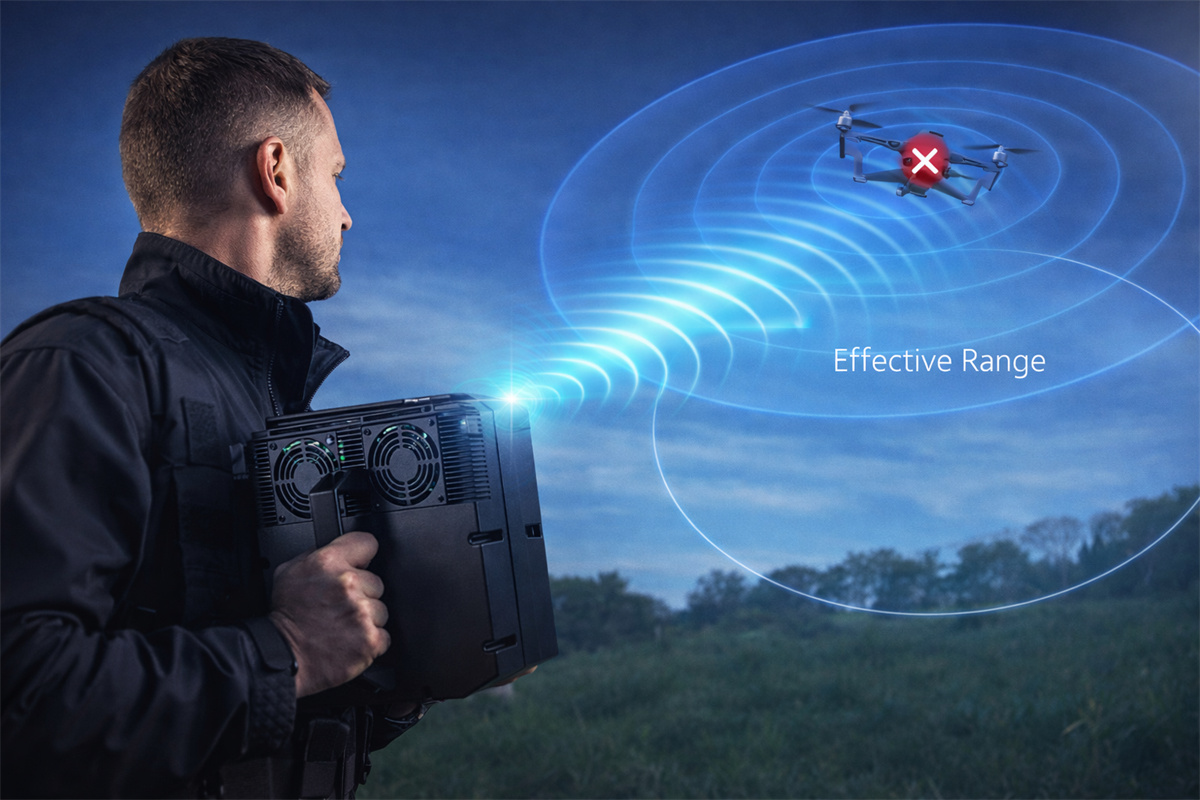
When evaluating a anti drone device, one question comes up repeatedly:
“What is the actual range?”
You’ll often see numbers like 300 meters, 500 meters, or even several kilometers. But these figures can be misleading without context.
The truth is simple:
👉 What matters is not how far a signal travels—but where it actually disrupts the drone.
A jammer transmits radio energy that can travel long distances under ideal conditions. However, distance alone does not equal effectiveness.
👉 A drone is only affected when the jamming signal is stronger than its control or video link.
This creates two very different zones:
In most real-world scenarios:
The range of a FPV Drone jammer is not arbitrary. It is shaped by a combination of physics, hardware constraints, and environmental conditions.
Increasing transmission power seems like an easy solution—but it comes with trade-offs:
👉 Beyond a certain point, adding power becomes inefficient and impractical for mobile jamming systems.
Radio signals weaken quickly as they spread through space:
👉 At longer distances, the UAV Blocker cannot overpower the target signal.
One of the biggest performance differences comes from directional vs omnidirectional jammer's antenna type:
Omnidirectional antennas
Directional antennas
👉 Same power, different result — antenna design can completely change performance.
Even the best system is limited by surroundings:
👉 A device rated for 500 meters may perform at far shorter distances in real environments.
For modern FPV drones and UAVs, most practical FPV Drone jamming systems operate within a predictable range window.
This range reflects a balance between:
👉 This is the zone where interference remains reliable—not just theoretical.
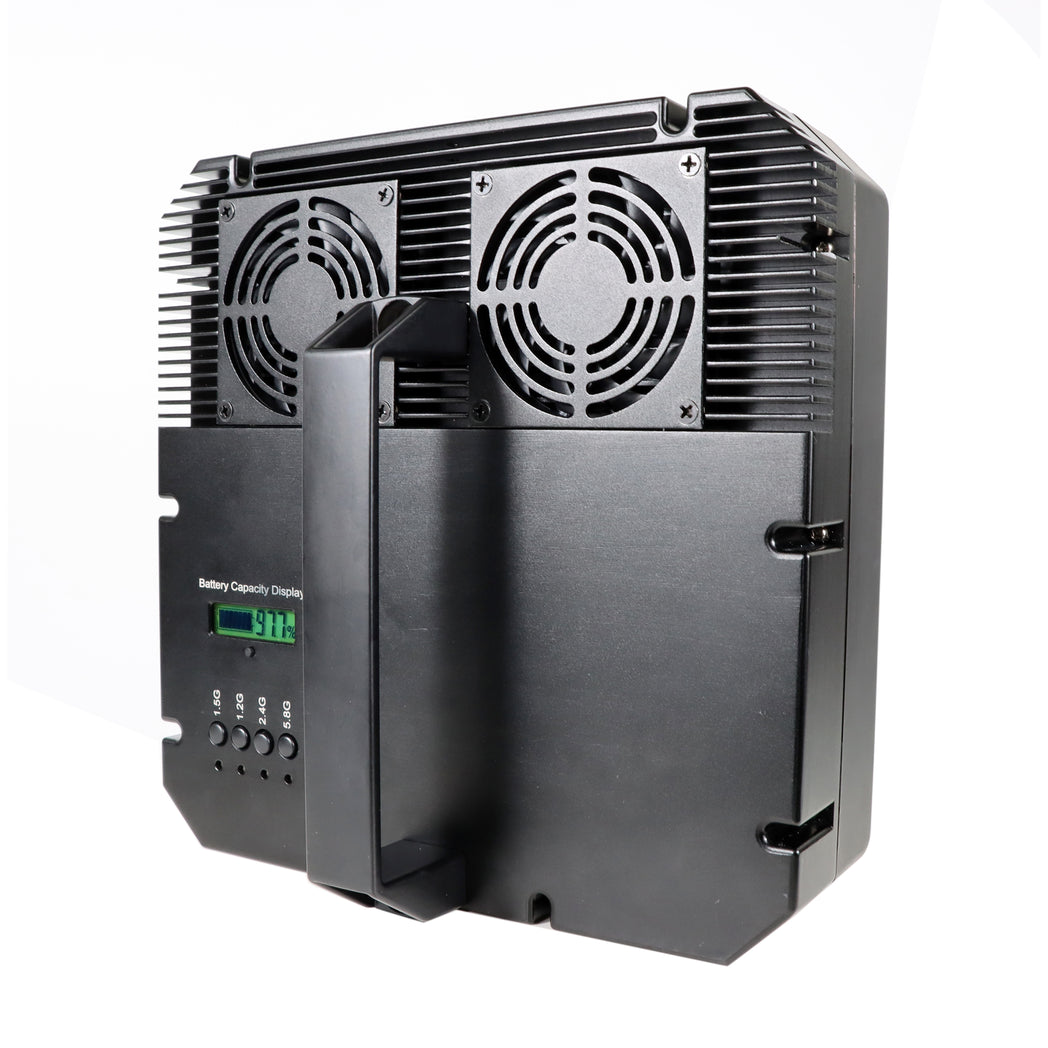
Some systems claim significantly greater distances—and under certain conditions, this can be true.
These scenarios usually involve:
Under these conditions, ranges of 1 km or more can be achieved.
👉 However, these setups are highly specialized and not general-purpose solutions.
When comparing drone GPS jammers, focus on what actually impacts performance:
👉 The best system is not the one with the highest number, but the one that performs reliably in real conditions.
Different scenarios require different solutions:
Understanding these distinctions helps you choose equipment based on real-world needs—not marketing claims.