Jammer Deals | Affordable Picks | Free Shipping
Your privacy is our top concern! We offer dependable solutions to safeguard you from unauthorized monitoring, ensuring your confidentiality in any setting.
Jammer Deals | Affordable Picks | Free Shipping
Your privacy is our top concern! We offer dependable solutions to safeguard you from unauthorized monitoring, ensuring your confidentiality in any setting.
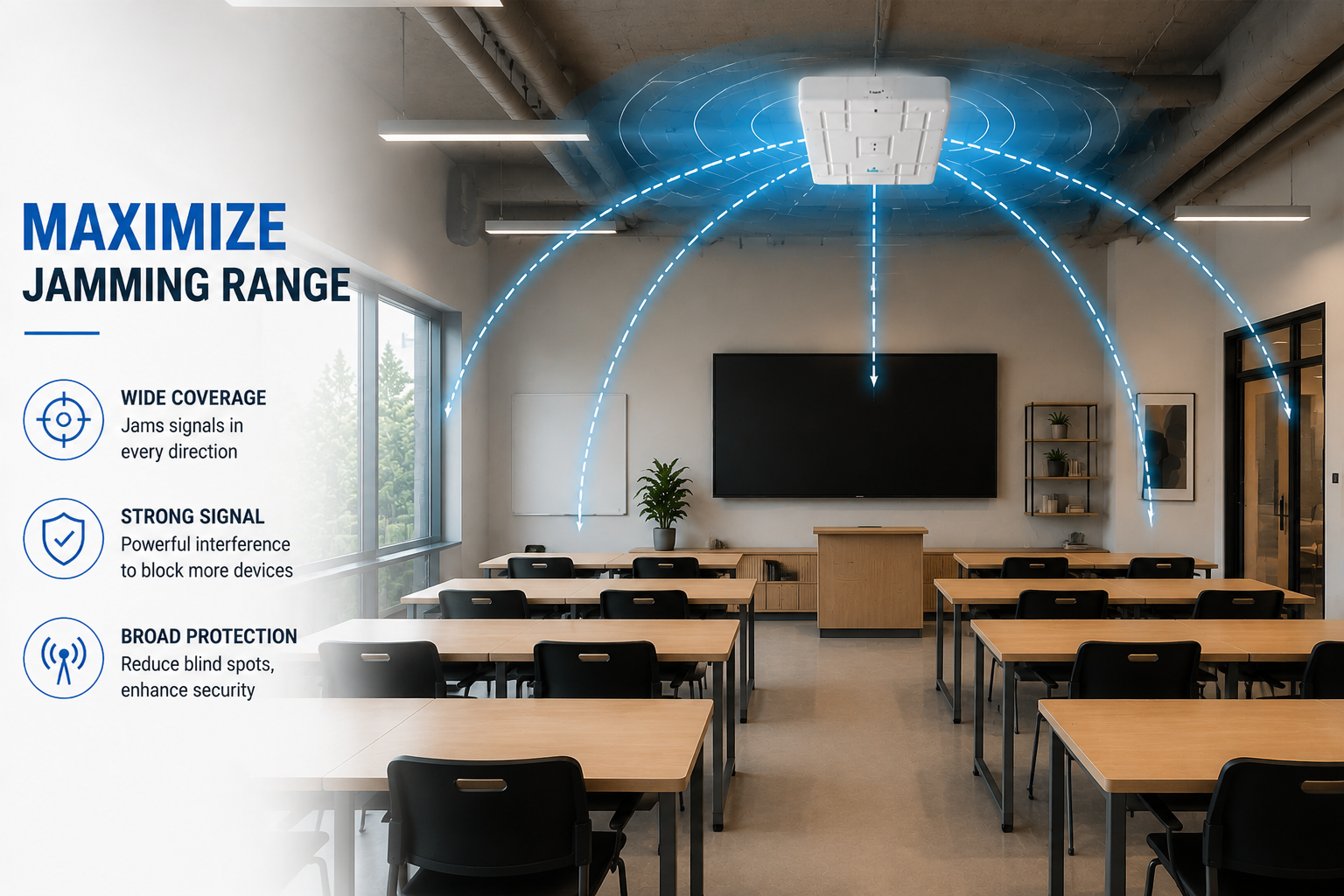
Walk into any modern classroom today and you’ll notice something interesting: the real competition for attention isn’t happening on the whiteboard, but inside pockets, smartwatches, and glowing screens under the desk.
A teacher starts a lecture, but instead of attention, half the class is under desks scrolling TikTok, replying to Discord messages, or sneakily checking ChatGPT answers during a quiz.
And that’s why Classroom-specific cell phone signal jammer are increasingly discussed as part of broader indoor signal management strategies in controlled learning environments.
OK.Back to the topic, how can we maximize the effectiveness of mobile phone signals in the classroom...
First, let's understand why the interference range in the classroom is limited.
The physical layout of a classroom plays a major role in how signals propagate and weaken across the room.
Rectangular or wide classrooms often create uneven propagation due to:
The central area of a room typically provides more balanced conditions because distances to surrounding surfaces are more uniform, reducing extreme variations in signal strength.
Different materials affect RF behavior:
Glass elements are a key factor in modern classroom design, especially in renovated or open-plan schools.
Observed effects:
To improve spatial consistency, classrooms often use physical separation elements such as:
These help reduce direct signal passage through transparent surfaces.
In many classroom layouts, the central ceiling region is considered the most structurally balanced point in the space.
Why it matters:
This position is often associated with more consistent environmental coverage compared to edge zones.
High wall-mounted areas are also commonly discussed in indoor layout planning.
Key characteristics:
These areas often act as secondary balancing points in rectangular or wide classrooms.
For larger examination halls or multi-row classrooms, centralized high-power equipment is often used as part of the core coverage structure.
A typical example is: Powerful box type directional antenna Jamming device
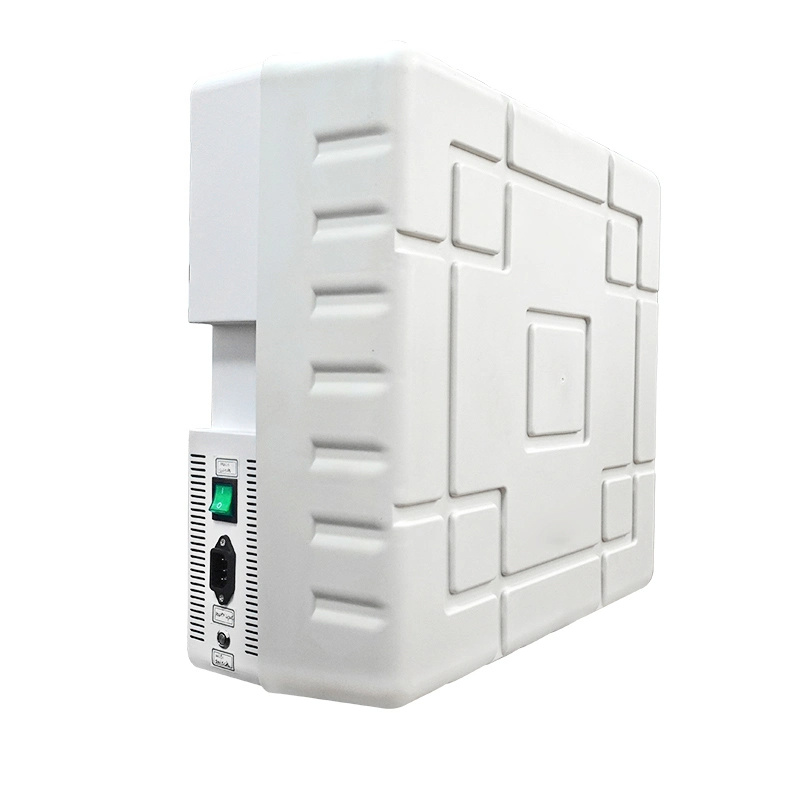
This type of solution is generally positioned as a high-capacity unit designed for broader spatial environments.
For medium-sized classrooms used in routine exams, a more balanced multi-frequency approach is often applied.
A commonly used configuration is: Exam Room Jammer with 10-Band Internal Antennas
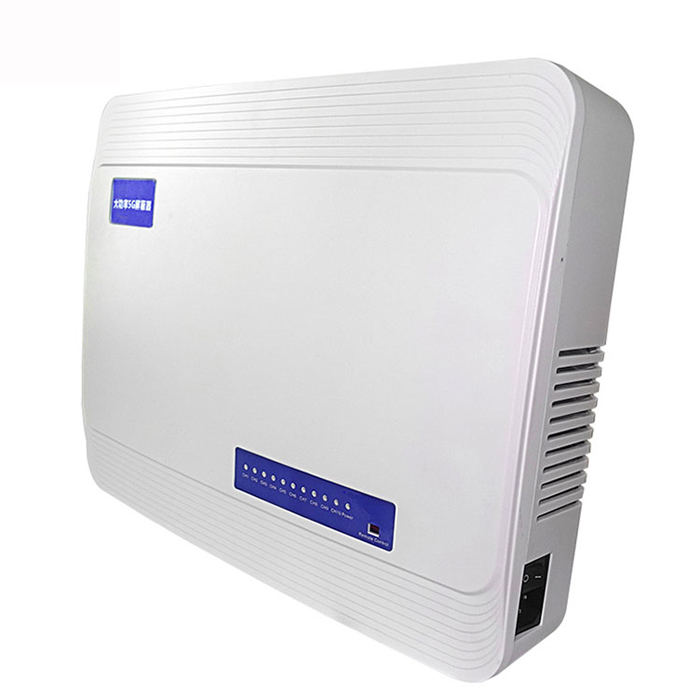
This category of device is typically designed for standardized classroom environments.
In classrooms where space optimization is important, wall-mounted configurations are often used as part of a distributed layout strategy (recommended to use a diagonal uniform distribution).
Example solution: Wall Mounted mobile cell and WiFi Jammer
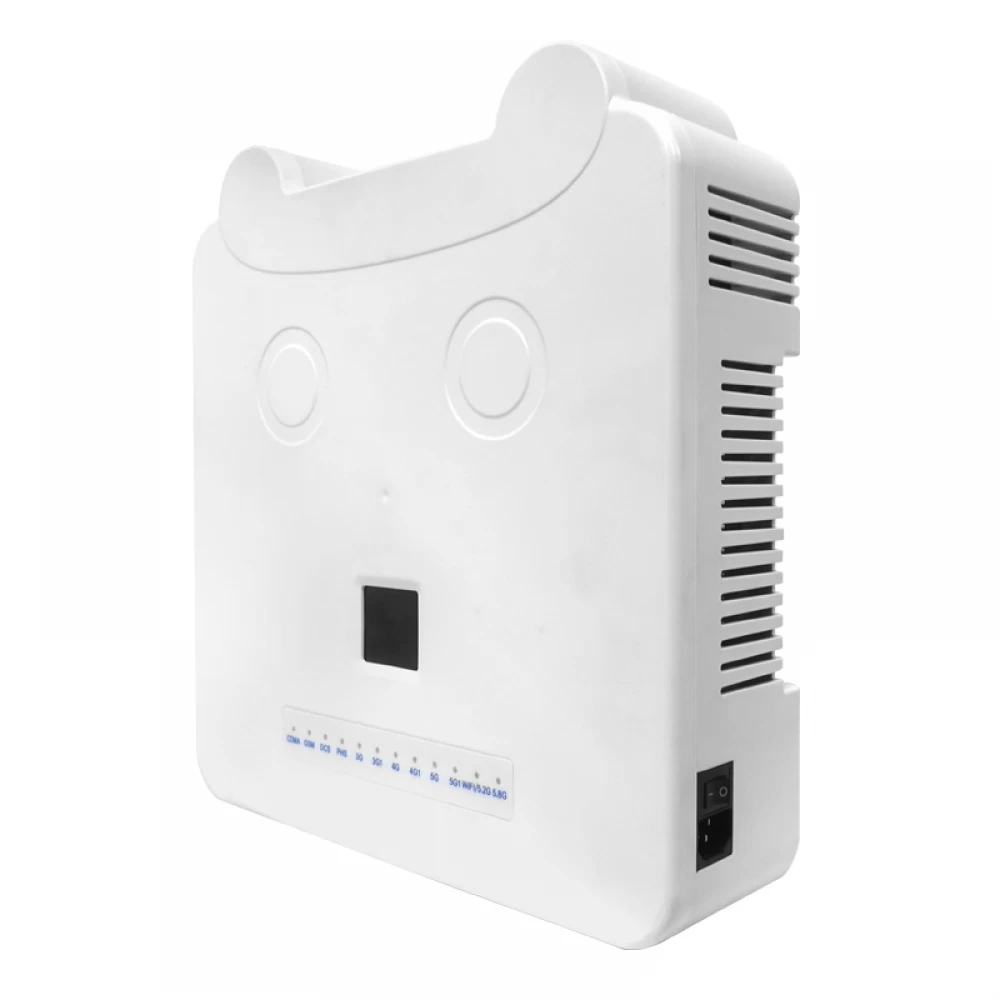
Wall-mounted structures are commonly associated with space-saving deployment and are suitable for environments where equipment placement needs to integrate with existing classroom architecture.
Getting back to the main topic, getting back to the main topic, maximizing the effectiveness of a classroom signal jammer is less about any single installation point and more about how the entire indoor environment is structured and balanced.
All of the information above is based on our in-house testing in real environments. You can use it as a practical reference for deployment planning and performance evaluation.
Different classroom layouts require different deployment strategies, especially when normal teaching spaces are converted into exam environments. A well-planned, environment-aware setup is what ensures more stable and consistent performance across the room.